
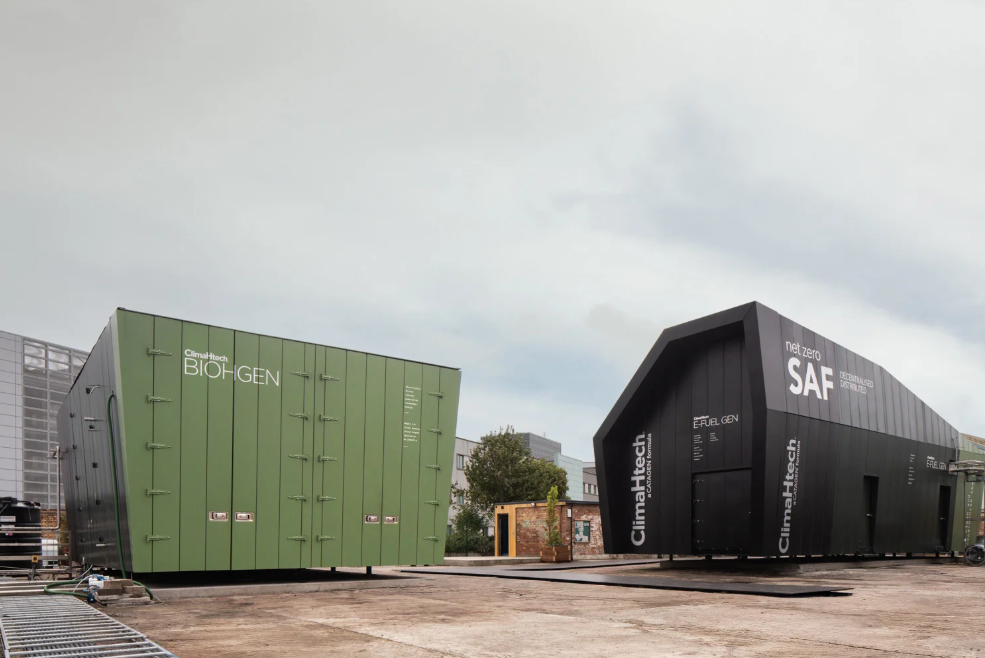
From Belfast to the world: how CATAGEN is turning clean technology into an export opportunity
Written by Mark Wilson
Belfast-based clean technology company CATAGEN is turning home-grown innovation into an international growth opportunity, with UK Government-backed finance helping it move towards commercial production.
Its story offers a useful lesson for other UK businesses: developing a great idea is one challenge; turning it into something the world will buy is another.
China’s Export Surge: What It Means for UK Businesses Competing Overseas
Written by Mark Wilson
China is no longer competing internationally on price alone. Its rapid growth in high-tech exports, from semiconductors and electric vehicles to advanced machinery, means UK companies may increasingly encounter sophisticated Chinese competitors in markets far beyond China itself.
For British businesses with international ambitions, that changes how opportunities should be assessed. Discover why China’s export transformation could reshape where - and how - your business competes overseas.

Britain's exporters have a bigger problem than tariffs
Written by Mark Wilson
The latest export figures suggest Britain's challenge goes far beyond tariffs or trade agreements. While overseas demand has become harder to win, some UK businesses continue to expand internationally by adapting faster than their competitors.
The real question is not why exports are slowing, but what successful exporters are doing differently. Discover the changing dynamics behind international trade—and what they could mean for your business.
Has Britain quietly lost its trade advantage in the US? What UK exporters need to know
Written by Mark Wilson
Many UK exporters believed they had gained a competitive edge in the US following the UK's Economic Prosperity Deal. Recent developments suggest that advantage may be far less secure than many businesses realise.
For companies selling into America, even small changes in tariffs can influence buying decisions, pricing and profitability. Discover why the competitive landscape may have shifted – and what it could mean for your business.

The easyJet takeover: what UK businesses need to know
Written by Mark Wilson
The proposed easyJet takeover is about more than one airline. It reflects a growing trend of overseas investors targeting established UK businesses, raising important questions about ownership, competition and the long-term direction of strategically important companies.
For businesses that rely on affordable, reliable European air travel, the implications could extend well beyond the stock market. Discover why this deal matters and what it could mean for your organisation.

Why SME directors should rethink ‘cheapest flight wins’ travel policies
Written by Mark Wilson
Many SMEs still judge business travel by ticket price alone. Yet as disruption increases and international travel becomes more demanding, a growing number are discovering that the cheapest itinerary can create hidden costs that far outweigh any initial savings.
From missed opportunities to employee fatigue, the real economics of business travel are changing. Discover why forward-thinking companies are rethinking traditional travel policies and what smarter spending could mean for performance, resilience and growth.

How SMEs can keep travelling employees safe overseas
Written by Mark Wilson
Many SMEs invest heavily in international growth but pay far less attention to what happens when a traveller falls ill, faces disruption or encounters a security issue overseas. Increasingly, that oversight is becoming a business risk rather than simply an HR concern.
From cyber threats to medical emergencies, duty of care is moving up the agenda for growing companies. Here is why traveller safety is becoming a competitive advantage - and how better preparation can strengthen resilience, employee confidence and international success.

The rise of secondary cities: where UK SMEs are expanding internationally
Written by Mark Wilson
A quiet shift is reshaping international expansion. While many businesses still focus on established global hubs, growing numbers of UK SMEs are finding better access to talent, partnerships and growth opportunities in cities that rarely feature on traditional market-entry plans.
From Porto to Ho Chi Minh City, lower costs are only part of the story. Find out why secondary cities are becoming strategic gateways to international growth – and what this changing landscape could mean for your business.