The rise of secondary cities: where UK SMEs are expanding internationally
Written by Mark Wilson
For years, international business expansion followed a familiar pattern. UK SMEs looking overseas typically focused on major commercial centres such as Paris, New York, Frankfurt or Singapore - established global cities with strong infrastructure and recognised business networks.
However, a growing number of businesses are now looking beyond traditional hubs.
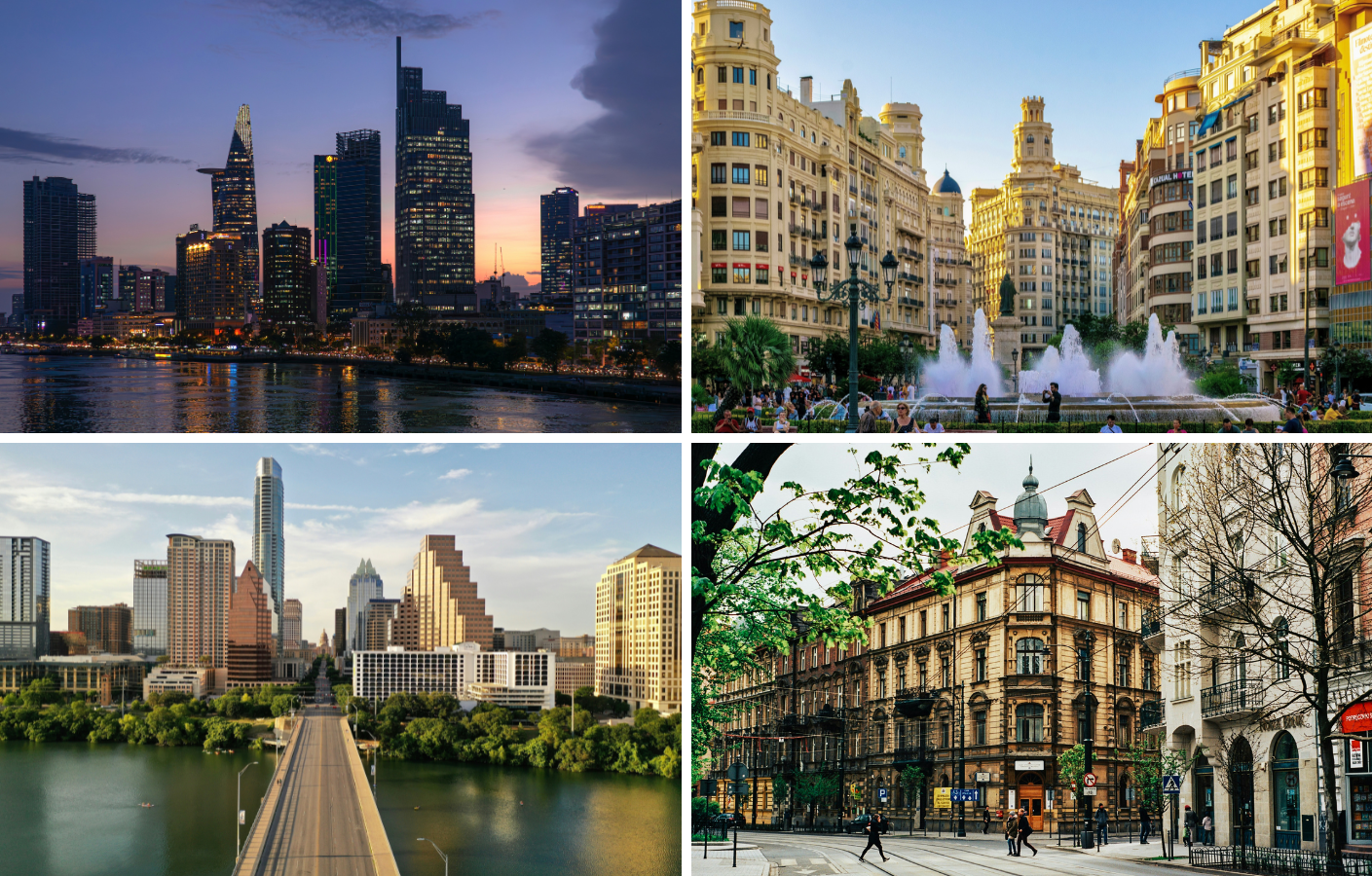
Cities such as Porto, Kraków, Valencia, Austin and Ho Chi Minh City are increasingly attracting the attention of internationally-minded SMEs seeking new markets, lower operating costs and emerging commercial opportunities.
For many businesses, the shift is being driven by practicality as much as ambition.
Rising costs in major global cities have made international expansion significantly more expensive. Accommodation, office space, transport and event participation in established business capitals can quickly stretch the budgets of smaller companies.
Secondary cities, by contrast, often offer strong connectivity, growing talent pools and expanding local economies at a considerably lower cost.
A UK software company attending a technology conference in Lisbon early in 2026 provides a good example. Initially, the business had planned meetings in Madrid and Barcelona before discovering that several prospective partners were instead based in Porto, a city increasingly recognised for its growing tech sector.
The company ultimately shifted much of its itinerary northwards. Not only were travel and accommodation costs lower, but executives also found the business environment less congested and more accessible for relationship-building.
Similar trends are emerging across multiple sectors.
In Central and Eastern Europe, cities such as Kraków, Prague and Bucharest are attracting investment from technology, manufacturing and professional services firms. Strong university systems, multilingual workforces and competitive operating costs are helping position these locations as attractive alternatives to more established Western European markets.
Meanwhile, in Asia, cities beyond traditional commercial centres are becoming increasingly important for international trade. Ho Chi Minh City, for example, continues to benefit from rapid economic growth and increasing foreign investment, particularly within manufacturing and technology supply chains.
In the United States, secondary cities including Austin, Nashville and Raleigh are also attracting growing international business interest thanks to expanding innovation sectors and lower costs compared with New York or San Francisco.
For SMEs, these destinations can provide a more practical entry point into international markets.
Business travel patterns are evolving alongside this trend. Travellers are increasingly combining visits to major cities with regional business hubs, often extending trips to explore wider commercial opportunities.
Improved international air connectivity has also made secondary cities far more accessible than they once were. Direct flights, high-speed rail networks and modern transport infrastructure are helping businesses reach emerging markets with greater ease.
However, expanding into less familiar destinations also creates new considerations.
Travel logistics may require more careful planning, particularly where direct routes are limited. Businesses must also ensure employees understand local regulations, cultural expectations and travel requirements before visiting emerging markets.
Importantly, SMEs should avoid assuming that smaller cities automatically involve lower risk or simpler operations. Due diligence remains essential when assessing overseas opportunities.
Nevertheless, the growing appeal of secondary cities reflects a broader shift in how SMEs approach international growth.
Rather than competing aggressively in saturated global centres, many businesses are seeking commercially agile locations where they can build partnerships, access talent and develop new opportunities more effectively.
For UK SMEs looking overseas, the future of international business may no longer belong solely to the world’s biggest cities. Increasingly, opportunity is emerging in the spaces between them.