Why international events go wrong before they even begin
Written by Pauline Caldaralo
8 October 2026
Written by Pauline Caldaralo
International events are often won or lost long before the first delegate arrives. The biggest challenges rarely happen on the event day itself; they begin during the planning process, when assumptions are made, details are missed and decisions are taken without a full understanding of the destination.
All destinations carry their own challenges, and it is our job as event planners to work with our overseas contacts to iron out any issues before they arise.
For event organisers, the complexity of delivering an event overseas goes far beyond booking a venue and arranging flights.
Here are seven reasons why international events can go wrong before they even begin.
Choosing a venue before understanding the brief
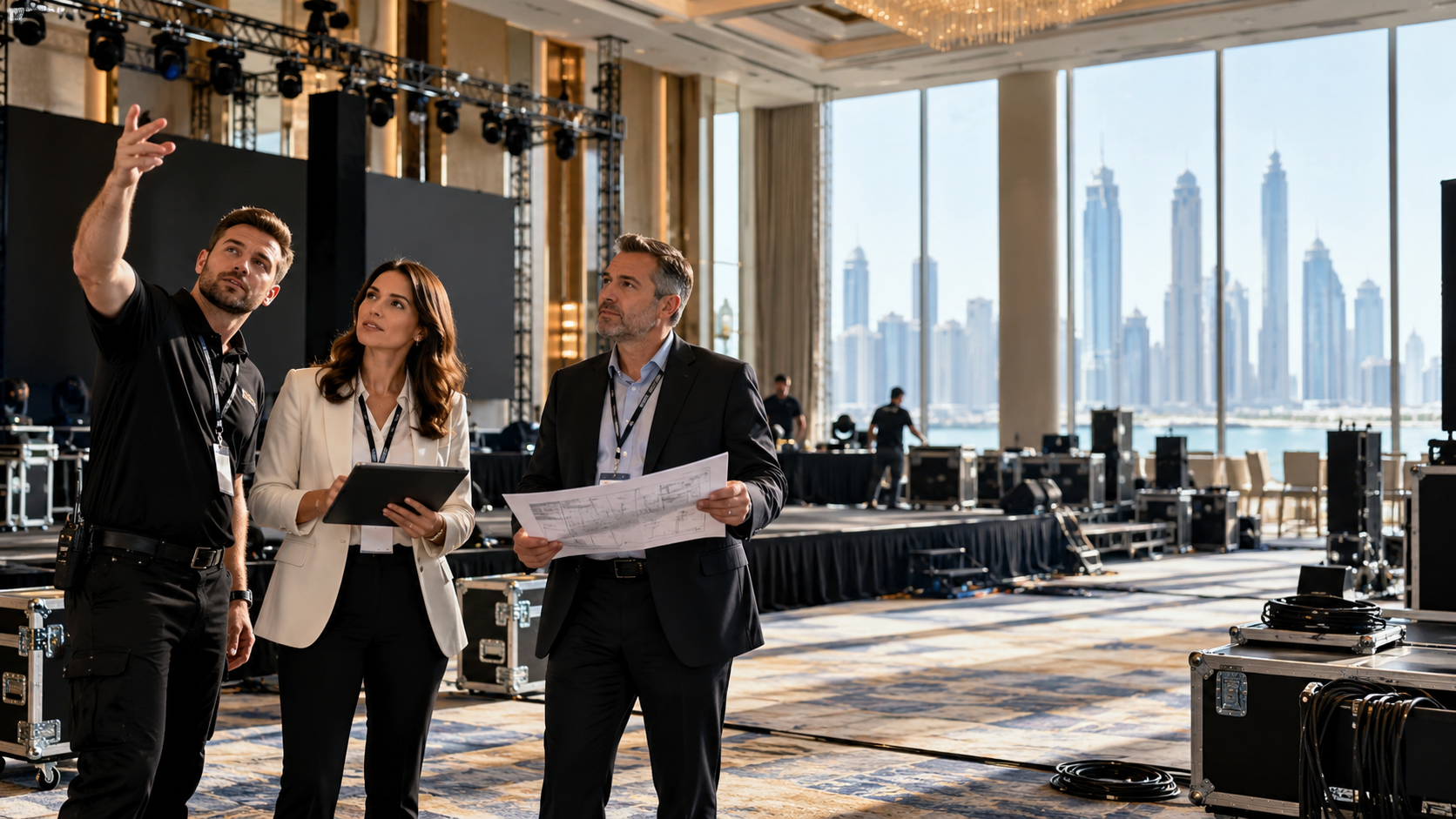
A beautiful venue does not necessarily make a suitable venue. Capacity, accessibility, technical capabilities, local restrictions and operational logistics must all be considered before a contract is signed. A site visit can be invaluable in ensuring that all the key points are discussed. When visiting, we can often identify potential pitfalls and highlight them from the outset. Where the budget allows, we always take an on-site AV Director with us on site visits, as they need to ensure that their equipment will work with the venue’s power infrastructure.
Underestimating local differences
Every destination has its own business culture, working practices, regulations and expectations. What works seamlessly in one market may not translate directly to another. We need to ensure that we are clear, precise and completely transparent about our expectations well before we arrive with the group.
3. Poor communication across time zones
When multiple suppliers, clients and stakeholders are working across different time zones, even a small delay in communication can create a domino effect.
4. Failing to establish clear responsibilities
Who is responsible for what? Who signs off the budget? Who manages suppliers on the ground? Without clearly defined responsibilities, important details can fall between the cracks.
5. Inadequate contingency planning
International events need more than a Plan B. They need contingency plans for transport disruption, supplier failure, weather, technical problems and unexpected local challenges.
6. Budgeting without understanding the full picture
Currency fluctuations, local taxes, service charges, freight, staffing and additional production costs can quickly turn an attractive initial proposal into an expensive exercise.
7. Assuming that a local supplier understands your client’s expectations
Never assume! A supplier may be excellent at delivering events in their own market, but that does not automatically mean they understand the standards, reporting requirements or brand expectations of an international corporate client.
The real lesson? International event management is not simply about transferring an event from one country to another. It is about understanding the destination, anticipating the challenges and joining every moving part together before they become problems. The best international events are not those that recover brilliantly from problems. They are those where the right planning prevents the problems from happening in the first place.
For agencies and corporate event teams, having an experienced partner on the ground can make the difference between an event that simply happens and one that delivers exactly what was promised. Because when you’re organising an event thousands of miles from home, the details are not just details. They are the difference between success and failure.