

Why pharmaceutical logistics is now critical to global healthcare resilience
Written by Neil Mason
For years, efficiency dominated supply chain strategy. Now, healthcare and logistics organisations around the world are investing heavily in something else: resilience. The reason lies in a growing vulnerability that few patients ever see.
From ultra-cold storage facilities to strategic stockpiling, pharmaceutical supply chains are being transformed by geopolitical risk, rising demand and stricter regulations. Discover why this shift matters - and what it reveals about the future of global trade, healthcare and business resilience.
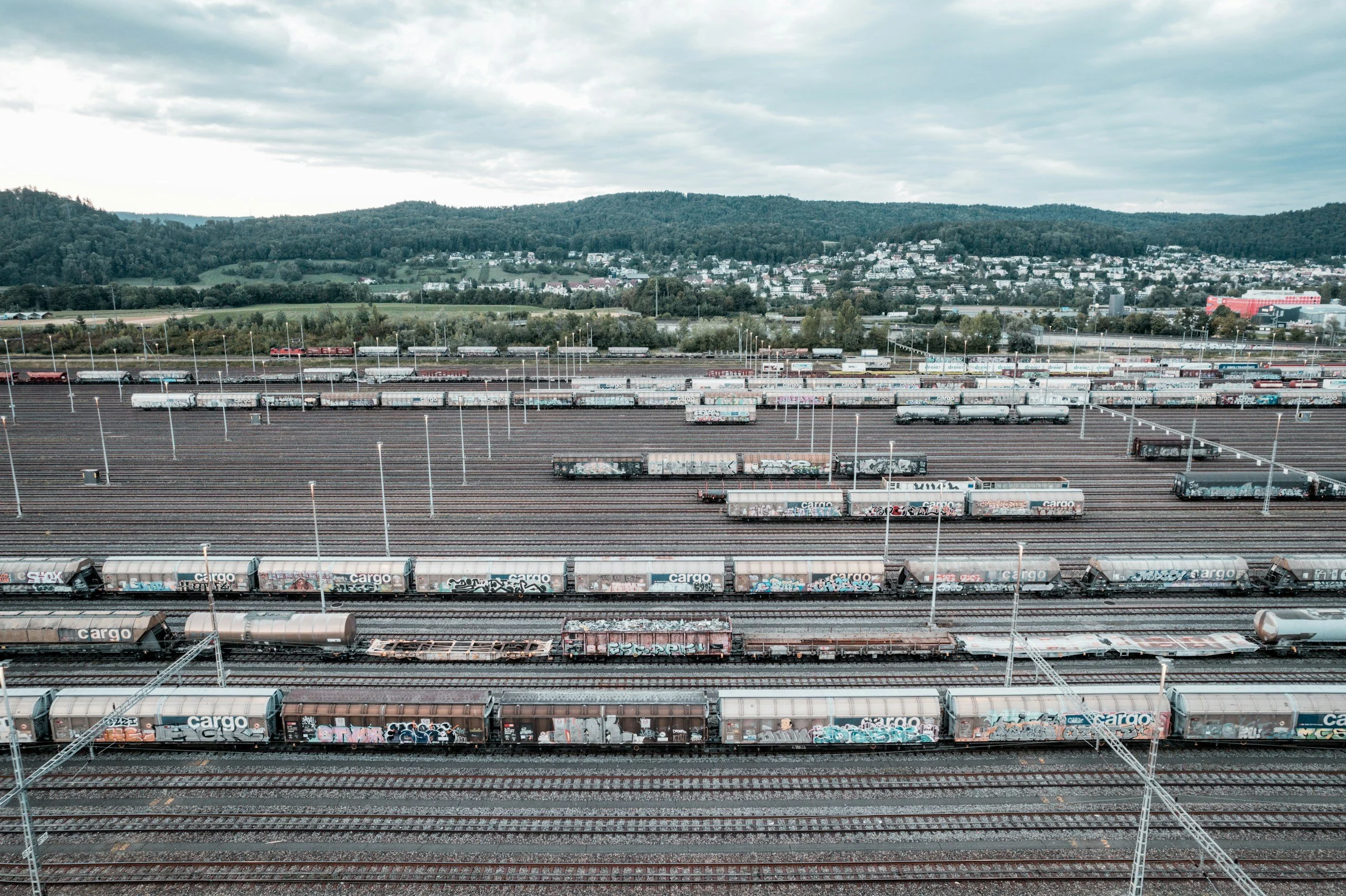
The return of cross-channel rail freight: how the Barking Euro hub deal reopens Europe for UK logistics
Written by Neil Mason
For years, road and sea freight have dominated UK–EU trade. Now, a major investment in cross-Channel rail infrastructure could reopen a route that many in the logistics sector had largely written off.
The return of regular freight services through the Channel Tunnel signals a broader shift towards faster, more resilient and lower-carbon supply chains. Find out why businesses, exporters and logistics operators are watching this development so closely.
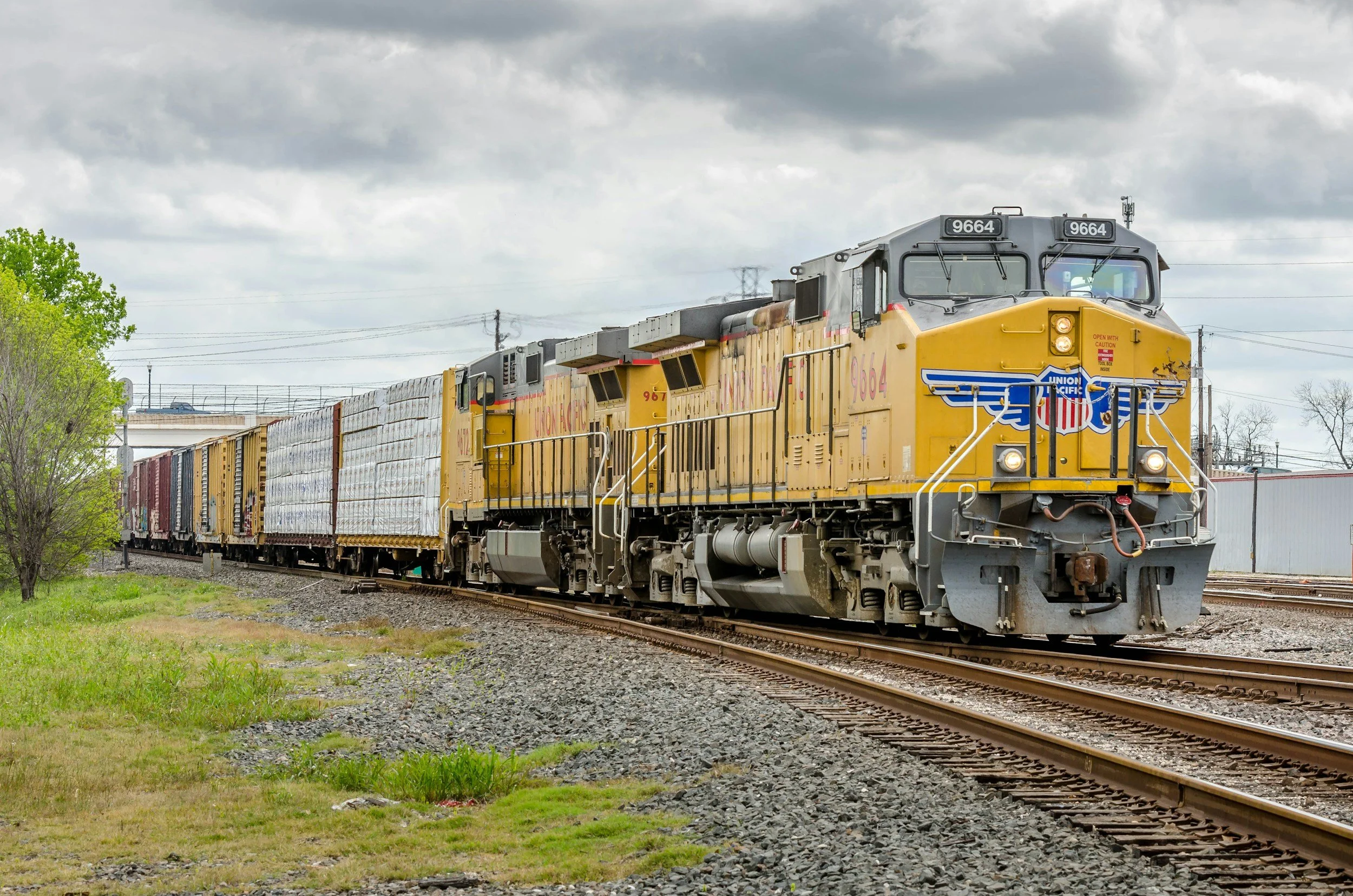
What the proposed HS2 freight conversion means for logistics
Written by Neil Mason
Few infrastructure projects have generated as much controversy as HS2. Now, a proposal to transform the line into a dedicated freight corridor is challenging assumptions about what Britain's rail network should actually be designed to achieve.
For supply chains, e-commerce operators and manufacturers, the potential benefits extend far beyond the rail sector. The emerging debate could reshape how businesses think about capacity, resilience and the future of freight movement in the UK.
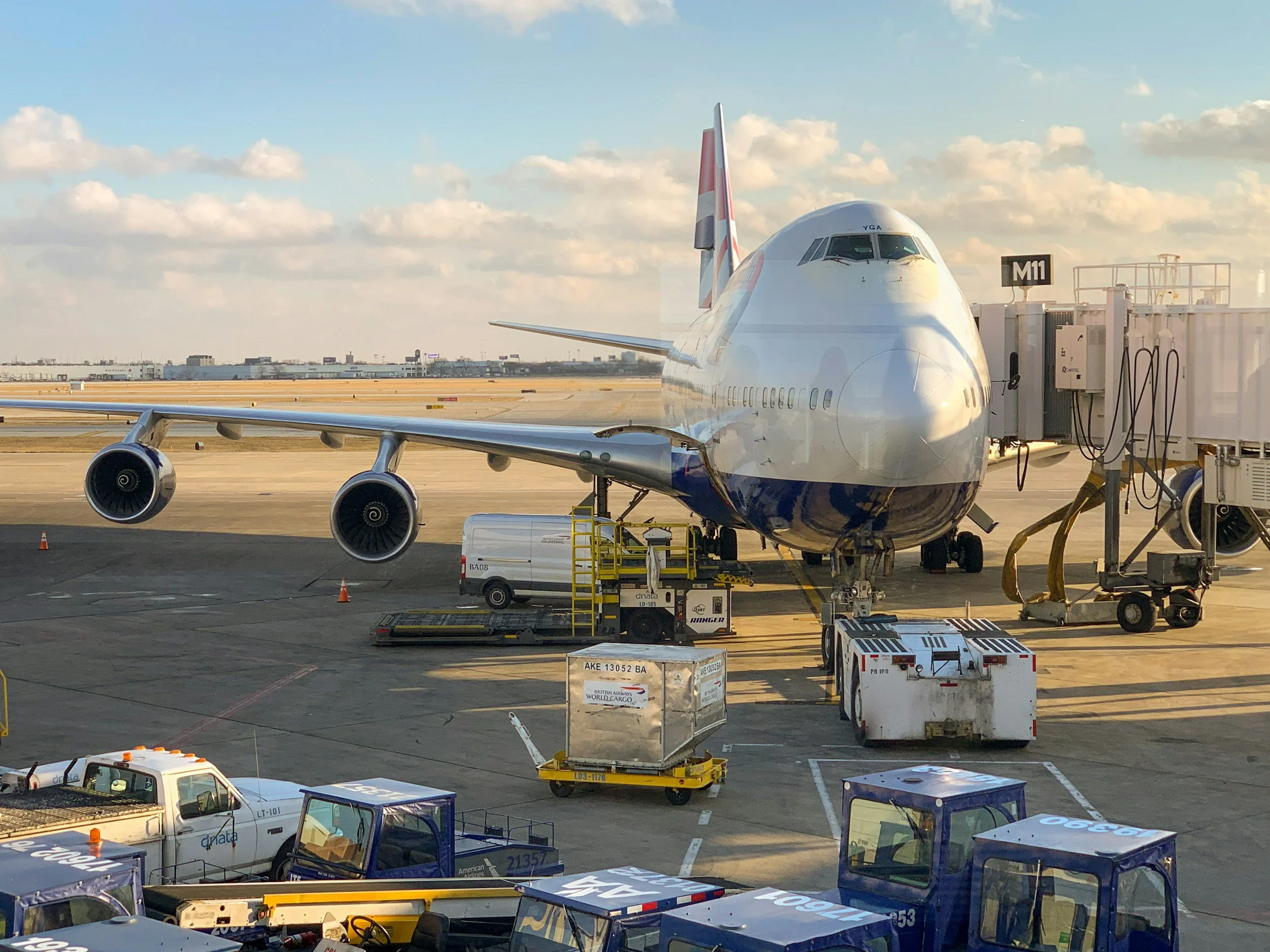
Top freight forwarders in the south east UK: an industry guide
Written by Neil Mason
The south-east of England is the UK’s most demanding freight environment, combining major ports, airports, and logistics corridors in one region, with Heathrow airport being Europe’s largest airport (2024). This industry guide highlights leading freight forwarders operating across the south-east of England and explains what differentiates strong partners in 2026, helping logistics, procurement and operations leaders choose forwarders aligned to their risk and sector needs.
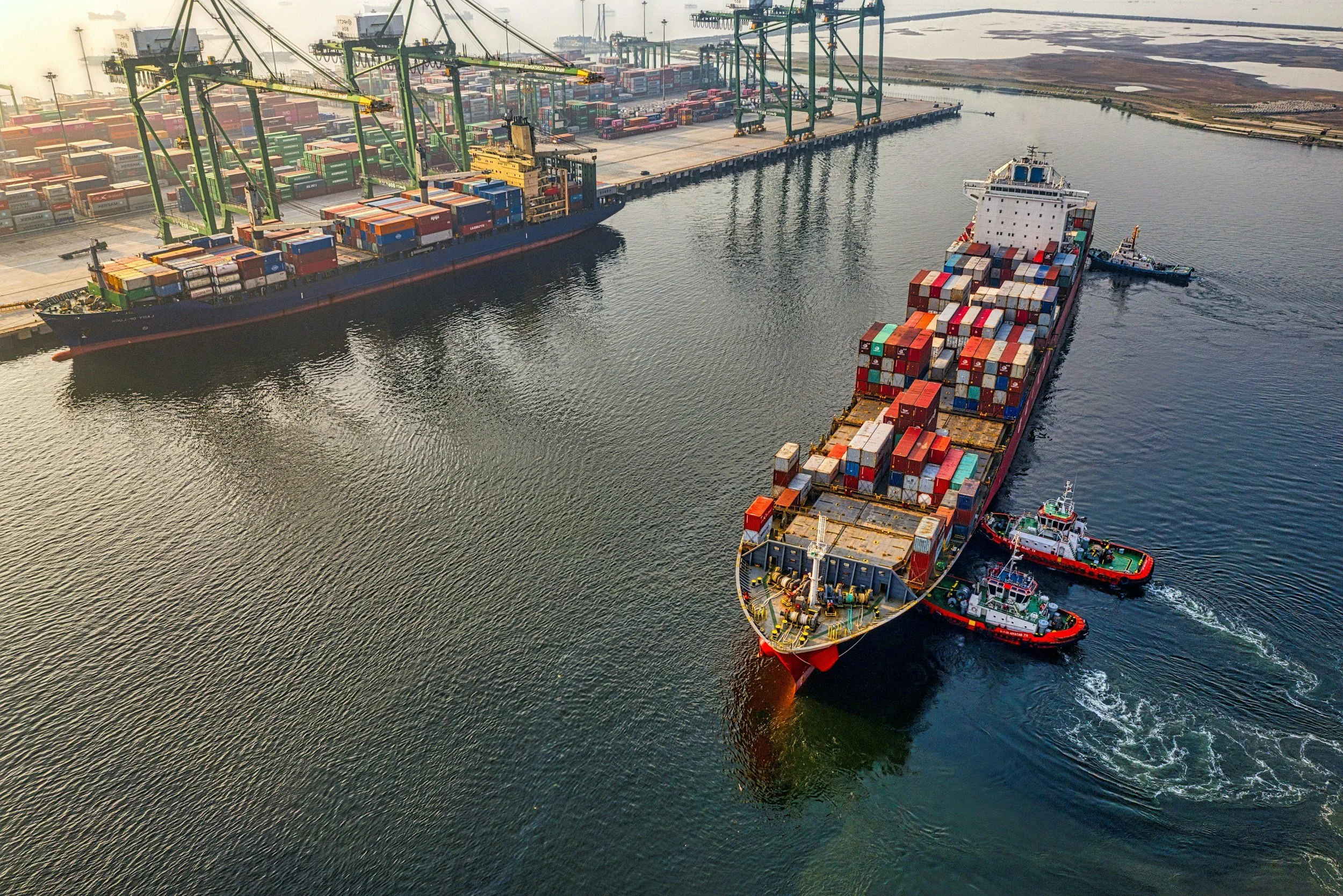
Port Polska: Central Europe’s next multimodal cargo powerhouse
Written by Neil Mason
For decades, Europe's logistics network has revolved around a handful of established cargo gateways. Now, a new project in Poland is challenging that model by building freight infrastructure around connectivity, data and scalability from the ground up.
Designed as a multimodal hub rather than simply an airport, Port Polska reflects a broader shift in how supply chains are being planned for the future. See why logistics leaders across Europe are paying close attention to what happens next.
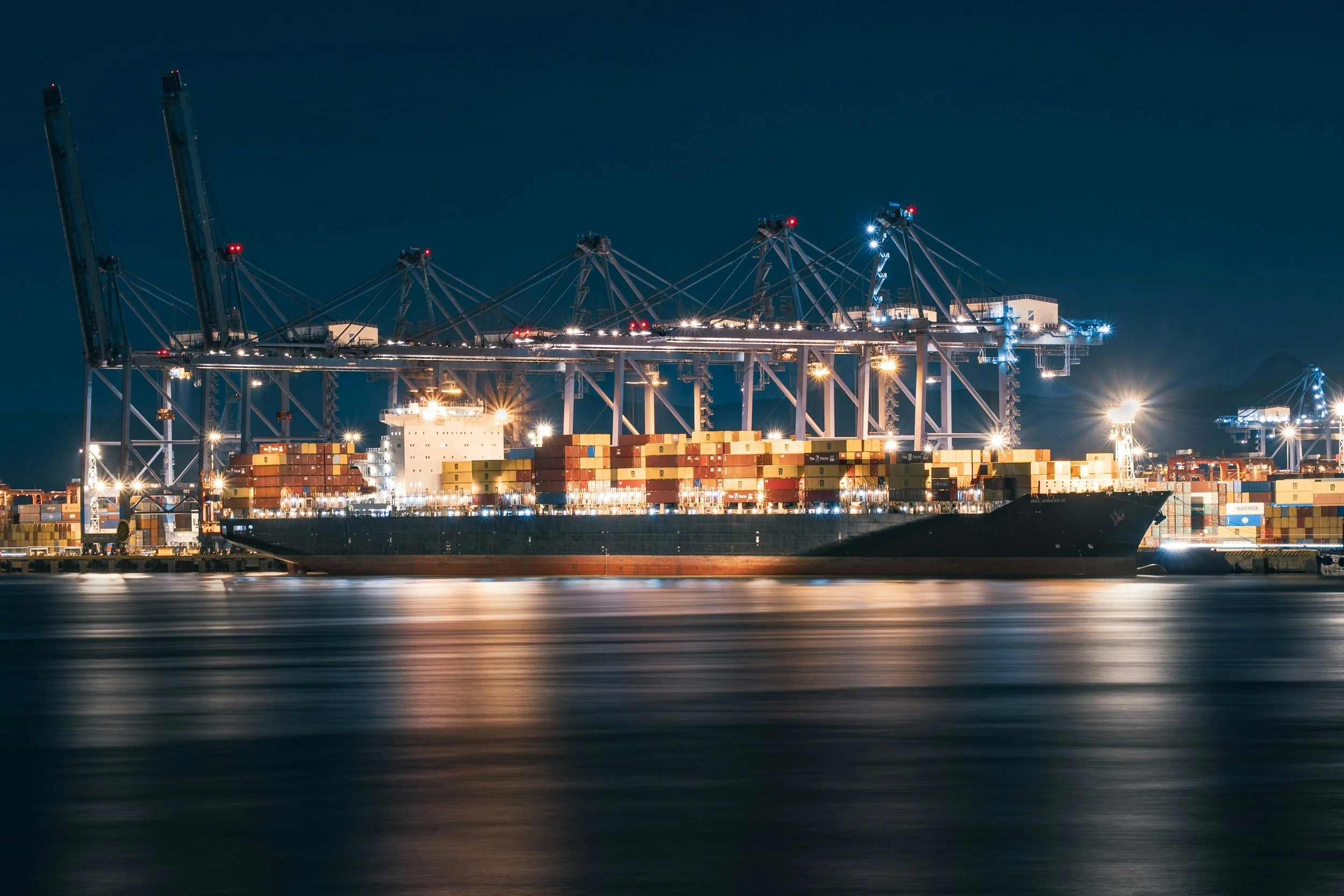
Global logistics in 2026: why everything feels harder, even when nothing is “wrong”
Written by Neil Mason
Global supply chains are moving, goods are arriving and trade continues to flow. Yet many businesses feel as though logistics has become significantly more difficult. The reason may not be what most people think.
As margins for error shrink and expectations rise, even minor disruptions can have major consequences. This article explores why global logistics feels more fragile than ever—and why the organisations performing best are changing how they think about resilience, risk and operational control.
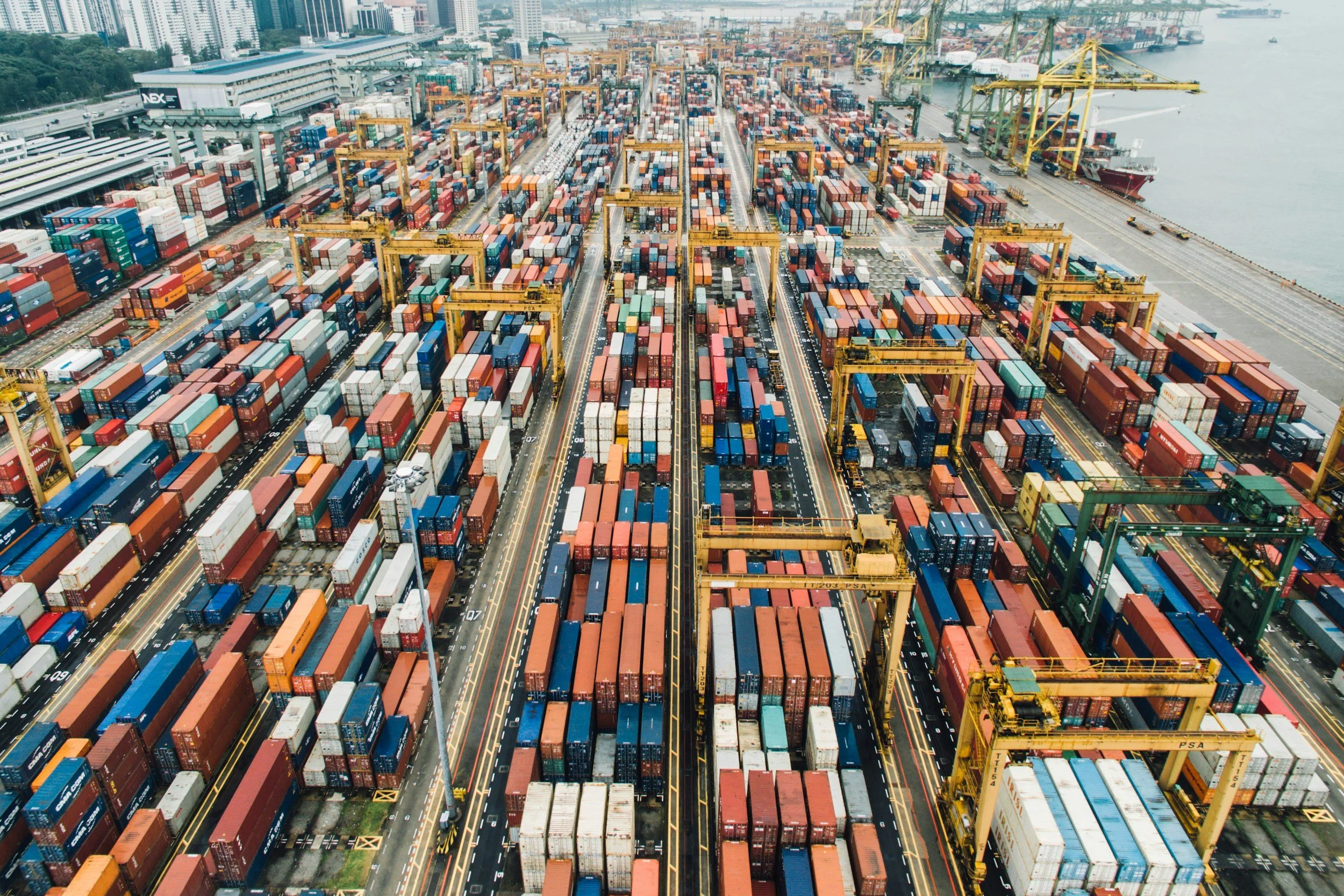
How to optimise your supply chain: what the data shows actually improves performance
Written by Neil Mason
Many businesses talk about supply chain optimisation as though it's a technology project. Yet the latest evidence suggests the biggest gains often come from something far less glamorous: reducing friction, improving decision-making and designing networks around reality rather than assumptions.
From border delays and inventory positioning to infrastructure constraints and recovery speed, the factors driving performance are changing. Here's what the data reveals about the organisations building more resilient supply chains.
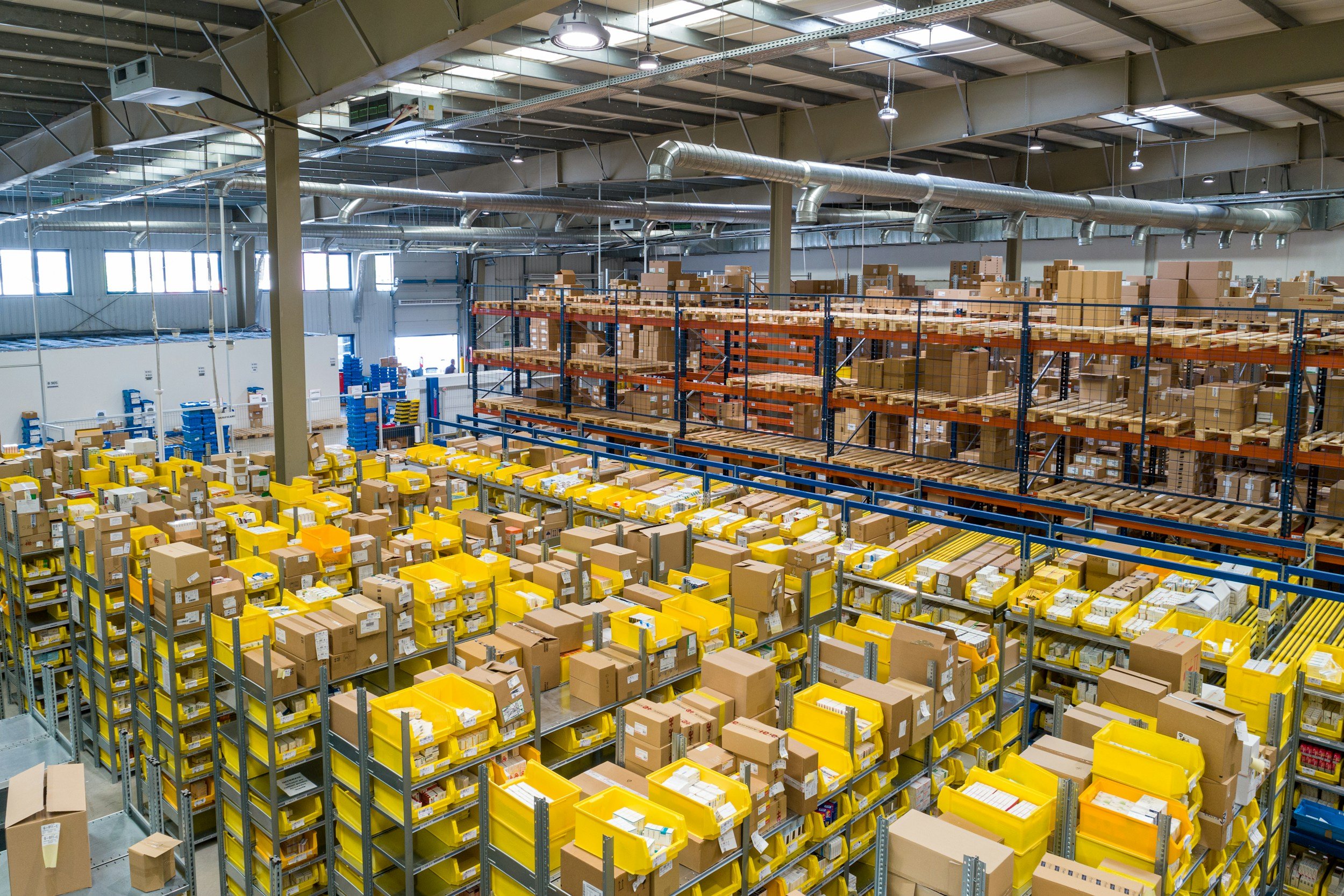
Supply chain visibility: how seeing problems earlier improves performance
Written by Neil Mason
Supply chain visibility is often presented as the answer to operational uncertainty. Yet many businesses are discovering that more data, more alerts and more dashboards do not automatically lead to better decisions.
The organisations gaining the greatest advantage are using visibility in a different way. Here's why the future of supply chain performance may depend less on tracking shipments and more on knowing when to act - and when not to.
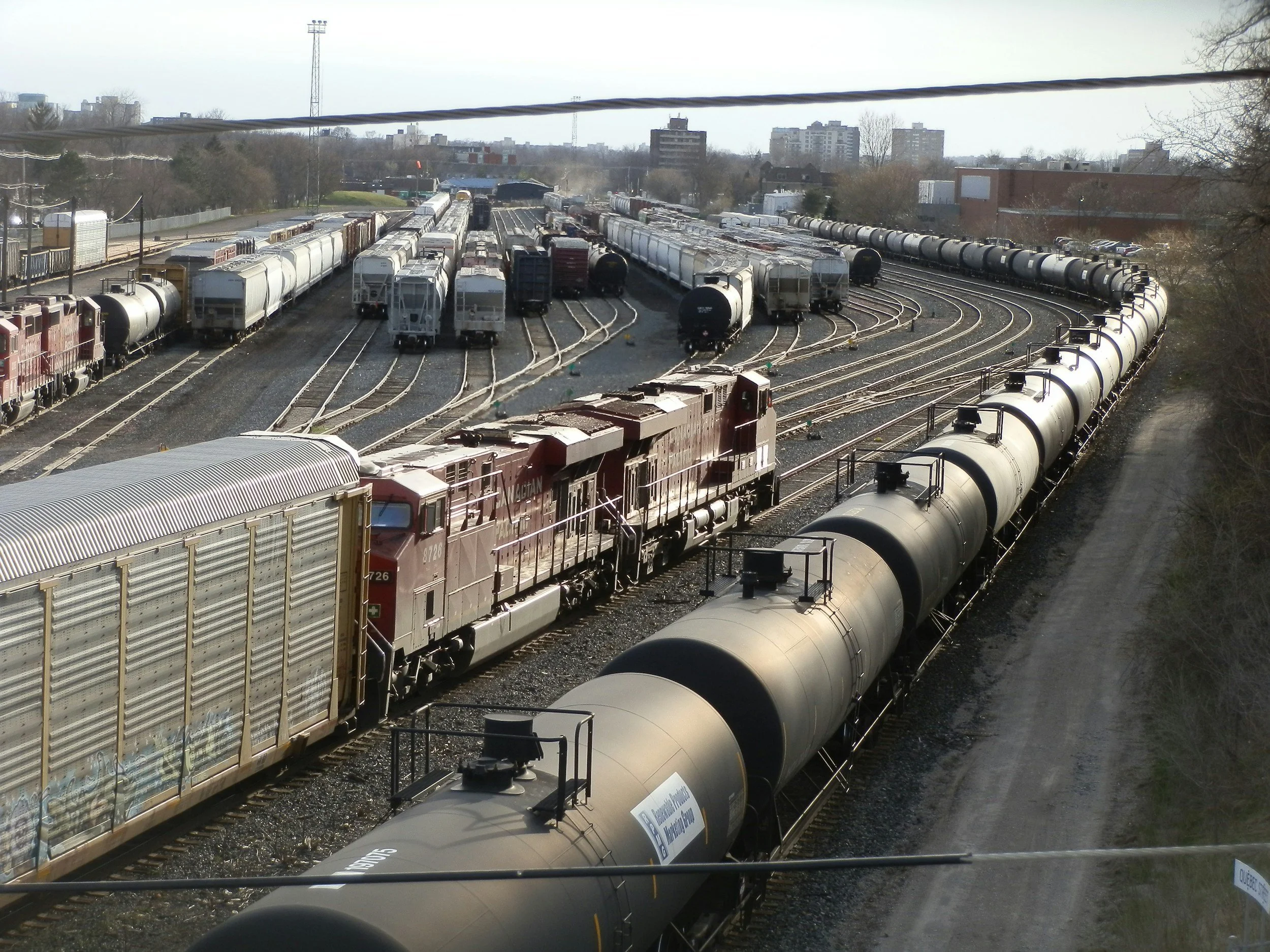
Saudi Arabia’s new rail freight corridor: how SAR is strengthening regional supply chains
Written by Neil Mason
When one of the world's most important shipping routes closed, Saudi Arabia didn't wait for maritime traffic to recover. Instead, it rapidly activated a 1,700km rail corridor to keep freight moving across the region.
The move highlights a growing reality for global supply chains: resilience now depends on having credible alternatives when traditional routes fail. See how rail is emerging as a strategic tool for managing disruption - and what that could mean for the future of international trade.

Why medical equipment logistics is now critical to global healthcare resilience
Written by Neil Mason
For years, medical equipment logistics was treated as a delivery challenge. Now, as healthcare systems depend on increasingly complex diagnostic, surgical and laboratory technology, the real test is whether equipment reaches the point of care ready to use.
From white-glove delivery to strategic storage and installation coordination, MedTech supply chains are becoming central to clinical resilience. Here's why logistics is emerging as a critical healthcare capability - and what that means for organisations operating in an increasingly uncertain world.
Air freight resilience faces a new test amid prolonged Middle East conflict
Written by Neil Mason
For years, air freight has been the supply chain industry's safety valve, stepping in when disruption hit other transport modes. Now, a new challenge is emerging: what happens when the disruption affects air cargo itself?
Rising fuel costs, shifting capacity and growing reliance on short-term contracts are exposing fresh vulnerabilities across global trade lanes. Find out why resilience is becoming less about available capacity and more about the ability to adapt when conditions change.