International Business
Insights for
Navigate global markets with confidence
The International Business Guide provides practical guidance on business travel, logistics, trade events and international operations, helping organisations make informed decisions wherever business takes them.

Written by Mark Wilson
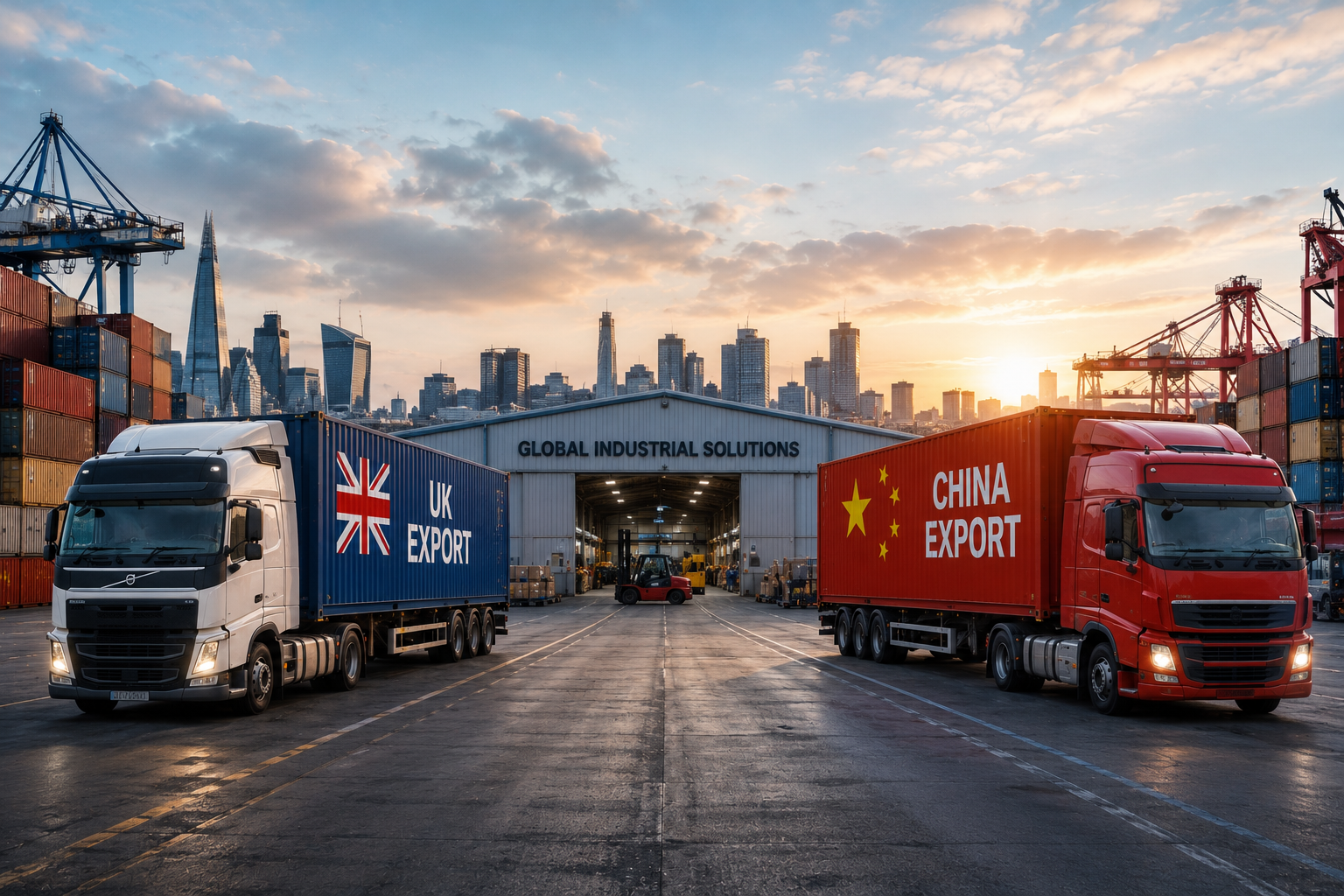
China is no longer competing internationally on price alone. Its rapid growth in high-tech exports, from semiconductors and electric vehicles to advanced machinery, means UK companies may increasingly encounter sophisticated Chinese competitors in markets far beyond China itself.
For British businesses with international ambitions, that changes how opportunities should be assessed. Discover why China’s export transformation could reshape where - and how - your business competes overseas.
Written by Scott Pawley
Many SMEs track flights and hotel rates carefully, yet some of the biggest travel costs never appear in the initial booking. Lost productivity, disruption, unexpected fees and poorly planned itineraries can quietly undermine the return on every overseas trip.
As international travel becomes more complex, successful businesses are shifting their focus from cheapest to smartest. Discover where hidden costs are emerging and how better travel management can protect budgets while supporting growth.
Written by Mark Wilson
The latest export figures suggest Britain's challenge goes far beyond tariffs or trade agreements. While overseas demand has become harder to win, some UK businesses continue to expand internationally by adapting faster than their competitors.
The real question is not why exports are slowing, but what successful exporters are doing differently. Discover the changing dynamics behind international trade—and what they could mean for your business.
Written by Mark Wilson
Many UK exporters believed they had gained a competitive edge in the US following the UK's Economic Prosperity Deal. Recent developments suggest that advantage may be far less secure than many businesses realise.
For companies selling into America, even small changes in tariffs can influence buying decisions, pricing and profitability. Discover why the competitive landscape may have shifted – and what it could mean for your business.
Written by Clive Wratten
Accessible business travel is no longer simply an inclusion issue – it is becoming a business performance issue. As employers compete for talent and organisations expand internationally, unnecessary barriers to work-related travel risk limiting productivity, retention and career progression.
Forward-thinking organisations are beginning to view accessibility as a competitive advantage rather than a compliance exercise. Discover why this shift matters and what it could mean for your business.
Written by Mark Wilson
The proposed easyJet takeover is about more than one airline. It reflects a growing trend of overseas investors targeting established UK businesses, raising important questions about ownership, competition and the long-term direction of strategically important companies.
For businesses that rely on affordable, reliable European air travel, the implications could extend well beyond the stock market. Discover why this deal matters and what it could mean for your organisation.
BUSINESS TRAVEL
What's Shaping Business Travel
Stay informed with the latest developments, emerging trends and expert perspectives from across the global business travel sector. From airline and hotel developments to traveller behaviour, sustainability and corporate travel policy, explore the stories shaping how organisations manage travel in an increasingly connected world.
Written by Mark Wilson
China is no longer competing internationally on price alone. Its rapid growth in high-tech exports, from semiconductors and electric vehicles to advanced machinery, means UK companies may increasingly encounter sophisticated Chinese competitors in markets far beyond China itself.
For British businesses with international ambitions, that changes how opportunities should be assessed. Discover why China’s export transformation could reshape where - and how - your business competes overseas.
Written by Scott Pawley
Many SMEs track flights and hotel rates carefully, yet some of the biggest travel costs never appear in the initial booking. Lost productivity, disruption, unexpected fees and poorly planned itineraries can quietly undermine the return on every overseas trip.
As international travel becomes more complex, successful businesses are shifting their focus from cheapest to smartest. Discover where hidden costs are emerging and how better travel management can protect budgets while supporting growth.
Written by Mark Wilson
The latest export figures suggest Britain's challenge goes far beyond tariffs or trade agreements. While overseas demand has become harder to win, some UK businesses continue to expand internationally by adapting faster than their competitors.
The real question is not why exports are slowing, but what successful exporters are doing differently. Discover the changing dynamics behind international trade—and what they could mean for your business.
Written by Mark Wilson
Many UK exporters believed they had gained a competitive edge in the US following the UK's Economic Prosperity Deal. Recent developments suggest that advantage may be far less secure than many businesses realise.
For companies selling into America, even small changes in tariffs can influence buying decisions, pricing and profitability. Discover why the competitive landscape may have shifted – and what it could mean for your business.
GLOBAL LOGISTICS & SUPPLY CHAIN
What's Shaping Global Logistics
Explore the trends, innovations and market developments influencing international freight and logistics. Covering supply chains, shipping, customs, infrastructure and global trade, this section provides insight into the factors affecting the movement of goods across international markets.

Written by Neil Mason
For years, efficiency dominated supply chain strategy. Now, healthcare and logistics organisations around the world are investing heavily in something else: resilience. The reason lies in a growing vulnerability that few patients ever see.
From ultra-cold storage facilities to strategic stockpiling, pharmaceutical supply chains are being transformed by geopolitical risk, rising demand and stricter regulations. Discover why this shift matters - and what it reveals about the future of global trade, healthcare and business resilience.
Written by Neil Mason
For years, road and sea freight have dominated UK–EU trade. Now, a major investment in cross-Channel rail infrastructure could reopen a route that many in the logistics sector had largely written off.
The return of regular freight services through the Channel Tunnel signals a broader shift towards faster, more resilient and lower-carbon supply chains. Find out why businesses, exporters and logistics operators are watching this development so closely.
Written by Neil Mason
Few infrastructure projects have generated as much controversy as HS2. Now, a proposal to transform the line into a dedicated freight corridor is challenging assumptions about what Britain's rail network should actually be designed to achieve.
For supply chains, e-commerce operators and manufacturers, the potential benefits extend far beyond the rail sector. The emerging debate could reshape how businesses think about capacity, resilience and the future of freight movement in the UK.
Written by Neil Mason
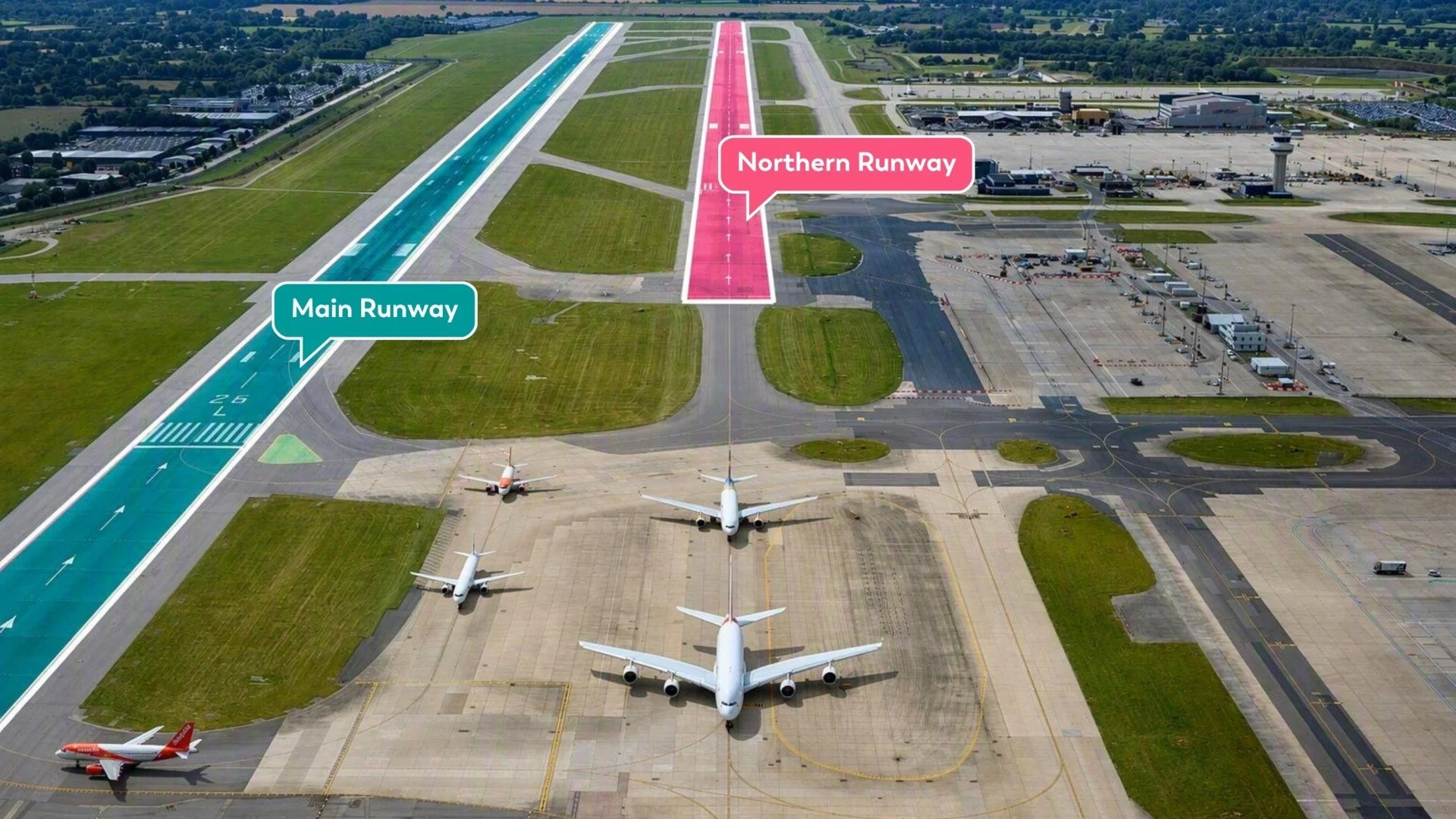
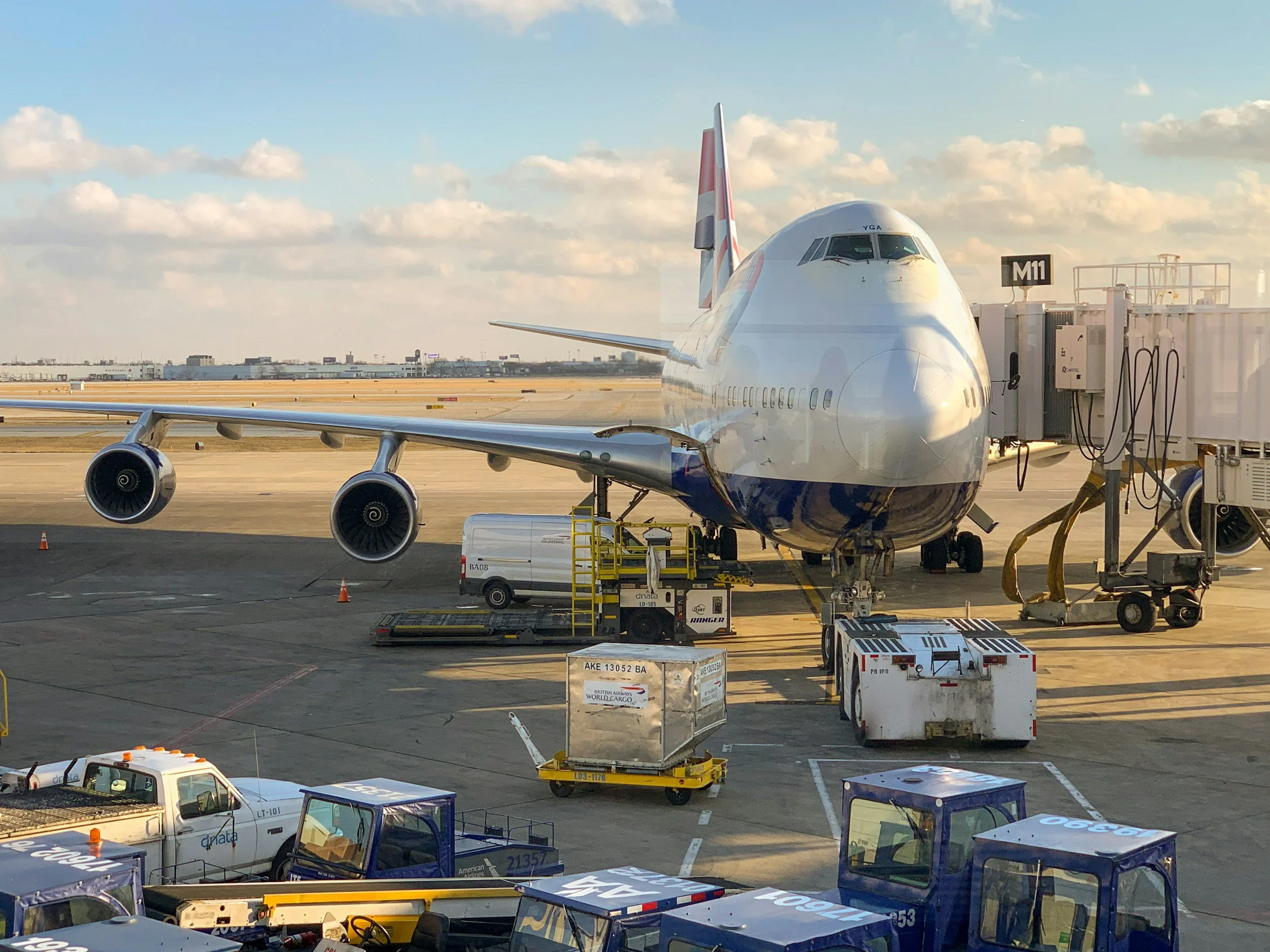
The south-east of England is the UK’s most demanding freight environment, combining major ports, airports, and logistics corridors in one region, with Heathrow airport being Europe’s largest airport (2024). This industry guide highlights leading freight forwarders operating across the south-east of England and explains what differentiates strong partners in 2026, helping logistics, procurement and operations leaders choose forwarders aligned to their risk and sector needs.
EVENTS & EXHIBITIONS
What's Shaping Global Events
Discover the latest news, trends and analysis from the world of exhibitions, conferences and trade shows. From major international events and venue developments to attendee engagement and event strategy, stay informed about the forces shaping business events worldwide.

Written by Neil Mason
A delayed shipment is rarely what causes the biggest problems at international exhibitions. More often, it's a last-minute document change, an incorrect declaration or a planning assumption that nobody thought to challenge.
The most costly event logistics failures often begin weeks before freight starts moving. Discover why experienced exhibitors worry less about transport - and far more about what happens around it.
Written by Neil Mason
Most event organisers focus on what happens inside the venue. Experienced professionals know that one decision made long before the event begins often has the greatest influence on attendance, logistics, costs and delegate satisfaction.
From accessibility and transport links to operational flexibility and event flow, location shapes outcomes in ways many businesses underestimate. Here's why venue selection is one of the most important strategic decisions in event planning.
Written by Neil Mason
For years, event organisers have focused on attracting audiences. Increasingly, the bigger challenge is creating venues that can support the complex logistics behind modern live events without adding cost, risk or operational friction.
Stirling’s £750,000 redevelopment reflects a wider shift towards infrastructure-led event planning. See how permanent utilities, improved access and enhanced connectivity are helping venues compete for larger events - and creating new opportunities for suppliers, planners and local businesses.
DESTINATION GUIDES
Kenya’s biggest advantage may not be its domestic market, but its growing role as East Africa’s command centre. From Nairobi, businesses can access multiple neighbouring economies, tap into one of Africa’s strongest technology ecosystems and connect to regional supply chains through Mombasa’s strategically important port. Discover why so many international firms are choosing Kenya as their East African base.
South Africa’s role in Africa is changing. While it remains the continent’s most industrialised economy, its growing importance lies in its ability to connect international businesses with regional supply chains, investment opportunities and neighbouring markets. Combined with sophisticated financial systems and world-class infrastructure, it remains a critical launchpad for African expansion. Discover why many companies still see South Africa as their gateway to the continent.
The United States remains one of the most significant global markets for UK businesses, underpinned by deep bilateral trade ties and strong investment flows.
While many investors still view Cairo as Egypt’s traditional commercial centre, the real story may be unfolding 45 kilometres east. The rapid rise of the New Administrative Capital is reshaping where government, finance, technology and international organisations choose to locate, creating new opportunities for foreign firms. Discover how this ambitious smart-city project could influence your Egypt market strategy.